
The Seasonal Ramp: Staffing Up Without Blowing the Spring Budget
Every landscape company needs more hands between March and June. The companies that ramp well plan the exit before they plan the hire.
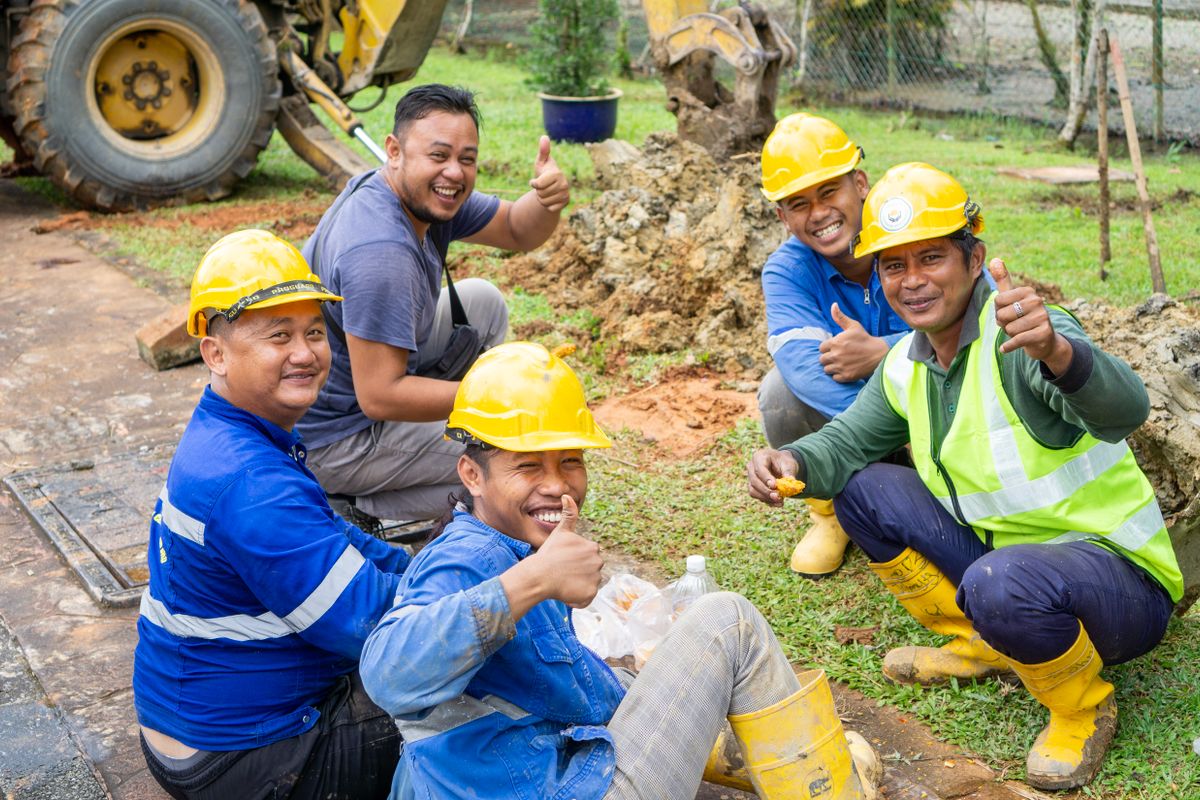
Every landscape company that runs mowing, mulch, and cleanup crews hits the same wall each spring: three months of the year need nearly twice the labor of the rest, and there is no way around hiring for it. The mistake isn't hiring seasonal help. It's hiring the way most companies still do it: posting an ad in late February, taking whoever shows up in March, and figuring out training on the fly while the phones are already ringing with the year's first round of cleanups.
The Ramp Nobody Plans the Downside For
Owners plan the hiring side of the ramp reasonably well. Fewer plan the other end of it: what happens to headcount and payroll obligations once the peak passes in June and the crew that felt essential in April is suddenly more capacity than the fall workload supports. Operators report that the companies that struggle most with seasonal staffing aren't the ones who can't find bodies in spring, they're the ones who never decided in advance who stays through fall and who was always meant to be a spring-only hire. That ambiguity gets resolved awkwardly, midseason, in a conversation nobody wanted to have.
Roughly how many inbound calls do you take in a week?
Tap to start. 5 quick questions, then see your monthly number.
The fix starts before the hiring, not during it. Deciding on a rough shape for the crew, how many year-round positions, how many seasonal slots, and communicating that shape to new hires at the offer stage changes the entire dynamic. A seasonal hire who knows the arrangement from day one isn't blindsided in October. A hire who was quietly hoping for something permanent, and finds out otherwise three weeks before the contract ends, tends to leave the company with a bad taste, and often leaves mid-project.
Hire for the Shoulder Season, Not Just the Peak
The other planning gap is timing the hire to the wrong season. Waiting until the spring rush is visible on the schedule board means training happens under pressure, with a crew leader who's already stretched trying to onboard a new hand between real jobs. Companies that ramp well tend to bring seasonal crew on two to three weeks before the volume actually hits, using the slower late-winter stretch, cleanup backlogs, equipment prep, mulch bed work, to get new hires comfortable with equipment and site expectations before the calendar gets unforgiving.
Training in Week One, Not Month Two
A new hire's first two weeks set the trajectory for the rest of the season. Crews that treat week one as throwaway time, just get a body on the truck and figure it out, tend to see it show up later as damaged equipment, missed details on properties, and slower crews overall because nobody actually walked the new hire through what a finished job is supposed to look like. The operators who get better retention and better work quality invest that first week deliberately: a full walkthrough of mower safety and site etiquette, a paired shift or two with an experienced crew lead, and a clear, specific standard for what "done" looks like on a property, not a vague instruction to make it look good.
The crew that trains its seasonal hires in week one spends the rest of the season fixing fewer mistakes than the crew that skipped straight to the schedule.
Building a Bench Instead of a Scramble
The companies with the smoothest ramps year over year usually aren't hiring cold each spring. They're maintaining a loose list: former seasonal hires who did good work and might come back, a relative of a current crew lead who's been asking about summer work, a landscaping-adjacent contact from a supplier or a competitor's former employee. Reaching out to that list in January, even informally, converts a scramble into a series of known quantities. It also means the interview isn't a gamble on a stranger; it's a conversation with someone whose work has already been seen.
None of this eliminates the churn that comes with seasonal work in this trade. What it does is turn an annual fire drill into a process: plan the shape of the crew before posting anything, hire ahead of the volume instead of during it, spend real time on week one, and keep a running bench instead of starting from zero every February. The companies that treat the ramp as a system, rather than an emergency that happens to recur every spring, consistently get more productive seasons out of the same hiring budget.
Most shops lose more booked work at the phone than they realize. See your monthly number.
See my number →